Finding the Perfect Diamond Ring at a Jewelry Store in Orange County: A Complete Guide

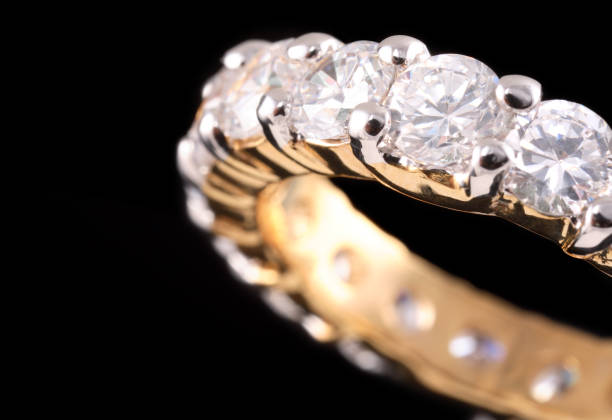
Gold engagement ring with diamonds on female hand, close-up stock photo

Choosing the perfect diamond ring is a deeply personal and significant decision. It involves considering your preferences, lifestyle, and budget while ensuring that the ring is both beautiful and meaningful. Below is a comprehensive guide to help you navigate through this process with confidence.

Understand the 4Cs of Diamonds

  • Cut: This refers to how well a diamond’s facets interact with light. A well-cut diamond will sparkle brilliantly.
  • Color: Diamonds are graded from D (colorless) to Z (light yellow or brown). The closer to colorless, the rarer and more valuable it typically is.
  • Clarity: Clarity measures internal flaws (inclusions) or external blemishes. Fewer imperfections mean higher clarity grades.
  • Carat Weight: Carat refers to the weight of the diamond. Larger stones are rarer but remember that size isn’t everything—proportions and cut quality also matter.
Factor Description Importance
Cut How well the diamond is shaped Directly impacts brilliance
Color Absence of color in a diamond Affects overall appearance
Clarity Level of inclusions or blemishes Determines flaw visibility
Carat Weight Physical weight of the diamond Influences size perception

Choose a Metal for Your Band

  • Yellow Gold: Classic choice for traditional styles.
  • White Gold: Offers a sleek, modern look; often plated with rhodium for extra shine.
  • Rose Gold: A romantic option with warm tones.
  • Platinum: Known for its durability and hypoallergenic properties.

Each metal complements different skin tones and adds unique character to your ring.

Consider Lifestyle Needs

Your lifestyle plays a key role in selecting an appropriate ring design. If you lead an active life or frequently use your hands, opt for settings like bezel or channel that provide better protection for your diamond against damage or loss.

Explore Different Settings

  1. Prong Setting – Highlights the stone while maximizing light exposure.
  2. Bezel Setting – Encircles the stone with metal edges for added security.
  3. Halo Setting – Surrounds a center stone with smaller diamonds for enhanced brilliance.
  4. Pave Setting – Adds extra sparkle with small diamonds encrusted along the band.

Keep Your Budget in Mind

  • Allocate funds based on what matters most (e.g., size vs clarity).
  • Consider lab-grown diamonds as an ethical, cost-effective alternative.

Personalization Options

  • Add birthstones or engravings inside the band.
  • Choose custom designs based on personal significance.

Selecting an ideal diamond ring requires balancing beauty, quality, practicality, and sentimentality—all within your allocated budget. By paying close attention to key details such as diamond grading, metal type, setting style, and personalization options, you’ll achieve timeless elegance while making an informed decision tailored specifically to you or your loved one’s preferences.

Discover Unique Diamond Shapes and Settings with Orange County Jewelry Sellers

When selecting gold jewelry adorned with diamonds, understanding the variety of diamond shapes and settings is essential. Each cut and setting style can dramatically influence the piece’s overall appearance, making it vital to choose a combination that aligns with your personal taste, lifestyle, and aesthetic preferences. Below is a detailed guide to navigate these options effectively.

Popular Diamond Shapes

  • Round Brilliant Cut: Known for its timeless appeal and sparkling brilliance, it is one of the most sought-after shapes for gold jewelry.
  • Princess Cut: A square-shaped diamond that blends modernity with sophistication, often used in contemporary designs.
  • Emerald Cut: This rectangular step-cut design emphasizes clarity and elegance, giving a vintage-inspired look.
  • Oval Cut: Featuring an elongated shape with brilliant-cut facets, this option offers a unique twist on classic round diamonds.
  • Marquise Cut: A dramatic cut with pointed ends that creates an illusion of longer fingers when set in rings.
  • Cushion Cut: With rounded corners resembling a pillow, this shape combines vintage charm with soft sparkle.
  • Pear Shape: A teardrop-shaped diamond that balances elegance and creativity.

Common Diamond Settings

  1. The classic prong setting uses metal claws to secure the diamond while maximizing light reflection around it.
  2. Best suited for engagement rings or pieces where showcasing brilliance is key.
  3. In this style, a metal rim surrounds the entire perimeter of the diamond for added protection.
  4. Ideal for active lifestyles due to its durability.
  5. Tiny diamonds are set closely together along the band or surface using small prongs or beads.
  6. Creates an intricate sparkle perfect for statement pieces.
  7. Diamonds are placed between two parallel metal grooves without prongs.
  8. Often used in wedding bands or eternity rings for simplicity and elegance.
  9. A central diamond is surrounded by smaller diamonds to enhance size and brilliance visually.
  10. Works beautifully in both modern and vintage-style gold jewelry designs.
  11. The stone appears suspended between two sides of metal using pressure alone.
  12. Offers a sleek, contemporary look.

Matching Diamond Shapes to Jewelry Styles

Type of Gold Jewelry Recommended Diamond Shape Suggested Settings
Engagement Rings Round Brilliant or Princess Prong or Halo
Wedding Bands Emerald or Baguette Channel
Cocktail Rings Oval or Marquise Bezel or Pavé
Fashion Necklaces Pear or Cushion Bezel
Delicate Bracelets Round Brilliant Tension

Tips for Choosing Your Preferred Style

  • Personal Style: Traditional shapes like round cuts often suit classic tastes while fancy cuts like oval or pear suit contemporary preferences.
  • Lifestyle: Opt for bezel settings if you lead an active lifestyle as they provide added security compared to prongs.
  • Skin Tone Compatibility: Yellow gold complements warm skin tones while white gold works better with cool ones—choose accordingly when pairing with diamonds.

By understanding how different shapes and settings influence design aesthetics and practicality, you can select gold jewelry that truly resonates with your individual style.

Stackable Gold and Diamond Rings: Trendy Picks from Your Orange County Jeweler

Stackable gold and diamond rings are a versatile and stylish jewelry option that allows for endless customization. With their ability to be layered, mixed, and matched, these rings open up a world of creative possibilities for accessorizing. Whether you prefer a minimalist look or bold combinations, stackable rings can seamlessly adapt to your personal style while remaining timeless.

What Are Stackable Rings?

Stackable rings are designed to be worn together on the same finger or across multiple fingers. These rings typically feature slim bands that ensure comfort when layering. They come in a variety of styles, from plain gold bands to intricate designs adorned with diamonds or gemstones.

Here are some key characteristics of stackable gold and diamond rings: – Thin Band Widths: Designed for easy layering without discomfort. – Variety in Design: Options include plain metal bands, pavé diamond styles, or ornate patterns. – Mix-and-Match Appeal: They can be paired with other jewelry pieces to create unique combinations.

Popular Combinations

  1. Pair simple 18k or 14k yellow gold rings with thin pavé diamond bands for understated elegance.
  2. Choose white or rose gold for added versatility in mixing metals.
  3. Combine bands in different tones such as yellow gold, rose gold, and white gold.
  4. Use one striking diamond band as the focal point while keeping other bands plain for contrast.
  5. Incorporate colorful gemstones like sapphires or emeralds alongside diamonds for a playful pop of color.
  6. Opt for bezel-set stones to ensure durability during daily wear.
  7. Layer hammered gold bands with milgrain-edged diamond settings for intricate detail.
  8. Experiment with chevron-shaped or twisted designs to add dimension.

Benefits of Stackable Gold and Diamond Rings

Benefit Description
Personalization Create custom looks by mixing different styles based on mood or occasion.
Versatility Suitable for casual wear as well as formal events.
Expandability Add new pieces over time to mark life milestones or complement trends.
Durability High-quality craftsmanship ensures they stand the test of time.

Styling Tips

To make the most out of your stackable ring collection: – Keep proportions balanced by varying band widths but avoiding overly chunky designs when stacking multiple pieces. – Limit the number of stacked rings per hand—often 3-5 per finger creates an elegant look without appearing cluttered. – Coordinate the color palette with other jewelry such as necklaces or bracelets to maintain cohesiveness.

Whether you’re building your collection from scratch or adding complementary pieces over time, stackable gold and diamond rings are an investment worth making. Their timeless appeal ensures they’ll remain a cherished part of your wardrobe while allowing you to express your individual taste effortlessly.

Bezel Set Gold and Diamond Rings: Top Picks from an Orange County Jewelry Shop for Active and Stylish Lifestyles

When it comes to selecting jewelry that combines elegance with practicality, bezel set gold and diamond rings stand out as a perfect choice. Designed for those who lead active lifestyles but still desire fashionable accessories, these rings are an exceptional blend of durability, sophistication, and functionality. Below is a guide to understanding why bezel set rings have become a popular choice and how they can complement your everyday life.

What is a Bezel Setting?

A bezel setting is a type of jewelry design where the diamond or gemstone is encased in a thin metal rim that surrounds its edges. This secure encasement holds the stone firmly in place, offering both protection and a sleek appearance. The design eliminates the need for prongs, making it less likely for the ring to snag on clothing or other materials.

Key Features of Bezel Settings:
  • Enhanced Durability: Protects the edges of the stone from chipping or breaking.
  • Smooth Design: Reduces risks of snagging or scratching due to its flush appearance.
  • Modern Appeal: Often associated with contemporary minimalist styles.
  • Versatile Metal Options: Looks stunning in yellow gold, rose gold, white gold, or platinum.

Benefits of Bezel Set Gold and Diamond Rings

  1. Perfect for Daily Wear
    The enclosed setting ensures that diamonds remain safe even during rigorous activities such as sports or gardening. You can enjoy wearing your ring without constantly worrying about potential damage.
  2. Low Maintenance Design
    Prong settings often require regular tightening over time; however, bezel settings offer greater stability and require minimal upkeep while maintaining their polished look.
  3. Versatility Across Styles
    These rings transition seamlessly between casual wear and formal occasions. Whether you’re at work, at the gym, or attending an event, their understated elegance fits any scenario.
  4. Comfortable Fit
    The smooth edges of bezel settings make them incredibly comfortable to wear all day long without irritation or discomfort.

Popular Styles of Bezel Set Gold Rings

Style Description Best Paired With
Classic Solitaire Single diamond surrounded by sleek gold rim Simple gold bands
Halo Bezel Central diamond accented by smaller stones Evening wear
Two-Tone Metal Bezel Combination of gold colors (e.g., white + rose) Modern outfits
Stackable Designs Slim bezels ideal for layering multiple rings Trendy casual ensembles

Tips for Choosing Your Bezel Set Ring

When purchasing a bezel set ring, keep these tips in mind: 1. Choose High-Quality Gold
Opt for 14k or 18k gold to ensure durability without compromising on aesthetic appeal.

  1. Consider Stone Shape
    Round-cut diamonds are most common in bezels due to their symmetry; however, oval and cushion cuts also create unique looks.
  2. Think About Everyday Use
    If you lead an active lifestyle consistently involving physical activities like hiking or cycling, prioritize designs with thicker rims for added protection.
  3. Certify Your Purchase
    Always buy from reputable jewelers who provide authentication certificates ensuring the quality of both gold and gemstones.

By combining style with practicality, bezel set gold and diamond rings have proven themselves as timeless accessories perfect for any occasion – whether it’s your daily routine or celebrating a special moment in life’s journey.

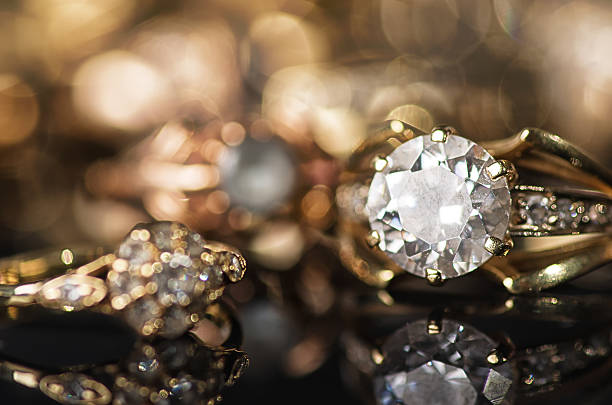
Gold jewelry. Gold jewelry on a black background. gold jewelry stock pictures, royalty-free photos & images

Elegant Party-Ready Gold Jewelry: Elevate Your Look with Stunning Pieces

Gold jewelry has long been synonymous with elegance and sophistication, making it the perfect accessory for parties and special occasions. Whether you’re attending an evening gala, a wedding reception, or a festive celebration, incorporating gold jewelry into your outfit can help you stand out effortlessly. Here’s a guide to selecting elegant party-ready gold jewelry that adds a touch of glamour to your look.

Choosing the Right Pieces

When selecting gold jewelry for parties, focus on pieces that complement your attire without overpowering it. The key is balance—your accessories should enhance your look while maintaining an air of refinement.

  • Necklaces: Opt for statement necklaces featuring intricate designs or gemstone embellishments to pair with simpler necklines. For more elaborate outfits, choose delicate gold chains or pendants that add subtle elegance.
  • Earrings: Gold drop earrings and chandelier styles work well for formal occasions. For casual parties, small hoops or studs with diamond accents offer understated charm.
  • Bracelets: Bangles and cuffs in gold are versatile options. Stacked bangles create a bold look, while sleek cuffs exude minimalist sophistication.
  • Rings: Cocktail rings with unique designs or gemstone accents can act as conversation starters at any event.

Styling Tips for Party Settings

  1. Evening Gala: Pair a strapless gown with a statement gold choker and matching earrings to highlight your neckline.
  2. Wedding Reception: Blend tradition and modernity by wearing intricately designed gold jhumkas (Indian-style earrings) or studded bracelets paired with vibrant attire.
  3. Cocktail Party: Combine stackable rings in various textures (e.g., hammered or polished finishes) with an elegant sheath dress for contemporary appeal.
  4. Festive Celebration: Choose layered necklaces in varying lengths adorned with colorful gemstones like rubies or emeralds to create a vibrant yet timeless look.

Advantages of Gold Jewelry for Parties

Feature Benefits
Lustrous Appearance Complements any color scheme or outfit style
Variety of Designs Available in traditional, modern, minimalist, and bold options
Hypoallergenic Ideal choice for individuals with sensitive skin
Durable Material Resistant to tarnishing when cared for properly

Maintenance Tips Post-Party

  1. Wipe each piece gently using a soft cloth to remove dirt or oils accumulated during wear.
  2. Store items separately in anti-tarnish pouches or boxes to prevent scratches.
  3. Avoid exposing gold pieces to harsh chemicals such as perfumes or cleaning agents.

By investing time into choosing and maintaining your gold jewelry thoughtfully, you ensure it remains as radiant as the moment you first wore it.

Whether you prefer bold statement pieces or subtle accents, well-chosen party-ready gold jewelry can transform any outfit into one that exudes confidence and elegance at every occasion.

Choosing a Reputed Jeweler for Your Gold and Diamond Purchases

Selecting the right jeweler is one of the most critical steps when purchasing gold and diamond jewelry. A reputable jeweler not only ensures that you’re investing in high-quality pieces but also provides valuable advice and transparency throughout the buying process. For buyers, whether experienced or first-time, working with a trusted professional helps secure both monetary value and emotional satisfaction. Below are key factors to consider when choosing a jeweler.

Traits of a Reputable Jeweler

  • Credibility and Experience: Look for jewelers with an established reputation in the industry. Those with years of experience are more likely to provide reliable guidance.
  • Certification: They should offer certified diamonds and gold jewelry accredited by recognized organizations such as GIA (Gemological Institute of America) or AGS (American Gem Society).
  • Transparency: A trustworthy jeweler openly shares information about the quality, source, and pricing of their products.
  • Customer Reviews: Positive reviews from previous customers can help gauge their authenticity.
  • After-Sales Service: Jeweler maintenance services like cleaning, resizing, or repairs indicate long-term commitment to their clientele.

Questions to Ask When Evaluating Jewelers

  1. Do they provide detailed certification for diamonds or gold?
  2. Are their products hallmarked?
  3. What is their return or exchange policy?
  4. Can they explain cut, clarity, carat weight, and color in detail?
  5. What warranties do they offer for purchases?

Such inquiries not only help clarify doubts but also ensure you make an informed decision.

Importance of Certification

When buying diamond or gold jewelry, certification serves as proof of authenticity and value. Certified diamonds undergo professional grading based on critical factors such as cut quality, color grade, carat weight, and clarity scale.

Certification Body Description
GIA Provides accurate grading reports for diamonds using international standards
AGS Focuses on light performance grading along with traditional 4Cs
BIS Hallmark Ensures purity standards specific to gold in countries like India

Certified pieces protect against fraud while enhancing resale value.

Red Flags When Evaluating Jewelers

Avoid jewelers who exhibit any of the following warning signs: – Hesitation or refusal to provide written certifications. – Offering prices far below market rate without sufficient explanation. – Pressuring customers into hasty decisions rather than allowing time for consideration.

By being vigilant about these red flags, you can avoid potential scams.

Building Long-Term Relationships

A great jeweler relationship often extends beyond just one purchase. Many customers return over time for gifts, upgrades, or repairs. Building trust with your seller ensures smoother transactions in the future while fostering confidence in each investment you make.

Choosing an established jeweler safeguards both financial commitments and ensures that every piece holds personal significance backed by genuine quality craftsmanship.

Choosing a Reputed Jeweler for Your Gold and Diamond Purchases

When investing in gold and diamond jewelry, selecting a reputable jeweler is one of the most important steps you can take to ensure quality, authenticity, and value. A trusted jeweler not only provides high-quality pieces but also offers transparency and excellent customer service. Below, we explore key factors to consider when choosing the right jeweler for your purchase.

Research Their Reputation

  • Check reviews and testimonials: Look for reviews on independent platforms or social media to gauge the experiences of past customers.
  • Ask for referrals: Family and friends can be valuable sources of trustworthy recommendations.
  • Industry affiliations: Look for jewelers associated with professional organizations like the Jewelers of America (JA) or Gemological Institute of America (GIA). Membership often indicates adherence to high ethical standards.

Evaluate Credentials

A knowledgeable jeweler should have certifications or credentials from recognized gemological institutions. These include: – GIA (Gemological Institute of America): Known for its precision in diamond grading. – AGS (American Gem Society): Ensures strict quality measures in gem evaluation.

Ask if the jeweler employs certified gemologists or appraisers who can guide you through your purchase with expertise.

Examine Product Authenticity

Authenticity is crucial when purchasing fine jewelry. Ensure the jeweler provides: – Certification for diamonds: Request a grading report from credible institutions like GIA or AGS. – Gold purity hallmarks: Verify that gold pieces are stamped with their karatage (e.g., 18K, 22K) as per industry standards.

Additionally, inquire about return policies and guarantees that safeguard your investment.

Assess Inventory Quality

A good jeweler offers a diverse collection of well-crafted pieces without compromising on quality. Look for: – Variety in designs: Classic options alongside contemporary styles. – Customization services: Many reputed jewelers provide bespoke designs tailored to individual preferences.

Take time to inspect the craftsmanship closely. Flawless prong settings, smooth finishes, and secure clasps indicate superior quality.

Customer Service Experience

Excellent customer service reflects a jeweler’s commitment to their clients. Consider these aspects: – Transparency: A jeweler willing to explain gold purity, diamond grading scales, or pricing breakdowns demonstrates trustworthiness. – Educational resources: Reputable jewelers often educate buyers about making informed decisions rather than pushing sales.

A helpful team should encourage questions and clarify doubts without pressure.

Key Features to Assess Indicators of Quality
Certifications GIA/AGS reports
Purity Marks Hallmarks like 18K
Transparency Clear communication

Compare Pricing

While price comparisons are essential, avoid being drawn solely by low prices. Unrealistic discounts may indicate subpar materials or unethical sourcing practices. Instead: 1. Compare similar items across multiple stores based on weight, purity, and design complexity. 2. Confirm that pricing aligns with current market rates for gold or diamonds.

Final Thoughts

Choosing a reputed jeweler requires diligent research but ensures an investment you can cherish for years. With careful attention to reputation, authenticity, craftsmanship, and service quality, you can select a jeweler who delivers both value and peace of mind—key components in any significant purchase decision.

Certification and Authenticity of Fine Gold Jewelry: Why It Matters

When purchasing fine gold jewelry, certification and authenticity are critical factors to consider. These elements not only ensure the quality of your piece but also offer peace of mind and long-term value. Understanding the importance of certification and how to verify authenticity can help you make informed decisions while investing in gold jewelry.

The Importance of Certification

  • Purity Verification: Ensures the gold content (measured in karats) is accurate, whether it’s 14K, 18K, or 24K.
  • Authenticity Assurance: Confirms the materials used are genuine and free from unethical practices.
  • Resale Value: Certified pieces are more likely to retain their value over time, making them easier to sell or appraise.
  • Consumer Protection: Shields buyers from counterfeit products or substandard items.

Common Certifications for Gold Jewelry

Certification Body Description
Hallmarking Verifies gold purity; often stamped directly onto the jewelry piece.
BIS (Bureau of Indian Standards) Certifies purity under Indian standards; mandatory for all sold gold items in India.
Karat Stamp Indicates the purity level of the item using karat markings like “14K” or “18K”.
ISO Certification Ensures compliance with international quality management systems.

How to Verify Authenticity

  1. Check for Hallmarks: Look for a small stamp indicating karat quality, manufacturer details, or country-specific standards.
  2. Request a Certificate of Authenticity (CoA): Reputable jewelers provide this document detailing composition, weight, and origin.
  3. Inspect Branding & Logos: Trusted brands often engrave their logos discreetly on jewelry pieces.
  4. Verify through an Assay Office: These independent organizations test metal purity if you’re uncertain about an item.

Risks of Buying Non-Certified Jewelry

  • Difficulty assessing true value due to uncertain purity levels.
  • Potential exposure to counterfeit items made with inferior materials.
  • Lack of consumer protection if disputes arise regarding quality claims.

Tips When Buying Certified Gold Jewelry

  1. Choose established jewelers known for their credibility and transparency.
  2. Ask questions about certifications during your purchase process — don’t hesitate to request proof.
  3. Invest time in researching what each certification entails before making a decision.

By prioritizing certified pieces backed by verified documentation, you ensure that your investment aligns with both ethical practices and high-quality standards while maintaining its long-term appeal and value.


Finding the Perfect Engagement Ring at a Jewelry Store in Orange County

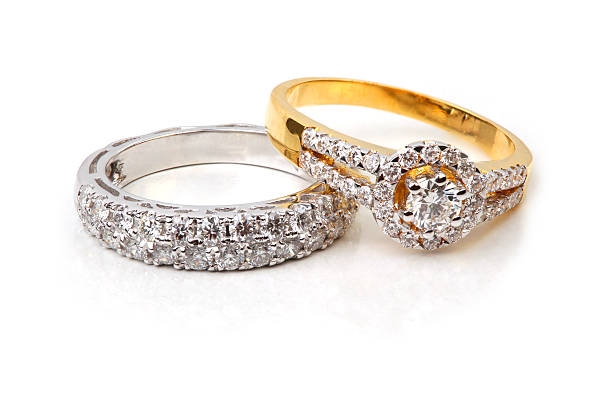
Golden diamond ring and contemporary diamond Golden diamond ring and contemporary diamond, isolated on white background gold jewelry stock pictures, royalty-free photos & images

Choosing the perfect engagement ring can feel overwhelming, but with thoughtful preparation and attention to detail, it becomes a meaningful experience. Below are some practical tips to help find a ring that encapsulates your love story and creates cherished memories.

1. Establish Your Budget

  • Set a baseline: Decide on an amount you’re comfortable spending, keeping in mind that high-quality options exist at various price points.
  • Factor in customizations: Personal touches like engravings or bespoke designs may increase costs.
  • Don’t follow outdated rules: Forget arbitrary “two-month salary” guidelines; focus on what feels right for you and your financial situation.

2. Know Your Partner’s Style

  • Metals: Do they prefer gold (yellow, white, or rose) or other metals like platinum?
  • Designs: Are they drawn to minimalist, vintage-inspired, or bold statement pieces?
  • Lifestyle compatibility: If they have an active lifestyle or work with their hands frequently, opt for durable designs that can withstand everyday wear.

3. Research the Metal Options

Gold is a classic choice for engagement rings, but it comes in different varieties based on karats and alloy mixes: | Gold Type | Key Features | |—————–|——————————————| | Yellow Gold | A traditional option with warm tones | | White Gold | Sleek and modern; resembles platinum | | Rose Gold | Romantic pink hues; increasingly popular |

Understanding these choices will help you select the metal that complements both style and practicality.

4. Understand the 4Cs of Diamonds

When selecting the diamond (or gemstone), familiarize yourself with the 4Cs—cut, color, clarity, and carat weight—to prioritize qualities most important to your partner’s preferences.

5. Consider Ring Settings

The setting affects both appearance and durability: – Solitaire settings highlight the center stone. – Halo settings add sparkle with smaller surrounding diamonds. – Three-stone designs symbolize past, present, and future moments together.

Each setting reflects different sentiments while protecting the stone.

6. Seek Professional Guidance

If overwhelmed by choices or technical details, consult a trusted jeweler who can guide you through diamond certification reports or customization options.

By combining careful planning with personal insights into your partner’s style preferences, you’ll create not just a beautiful engagement ring but also a timeless token of love that resonates deeply through years to come.

Orange County Jewelry Sellers Offering Timeless Engagement Rings as Symbols of Love and Commitment

Engagement rings have long been cherished as enduring symbols of love and commitment, deeply embedded in cultures around the globe. Their significance transcends time, serving as a pledge of devotion and the start of a lifelong journey together. Understanding their history, symbolism, and value can help you appreciate why they hold such a special place in relationships.

The History Behind Engagement Rings

The tradition of engagement rings dates back centuries. Some highlights from its rich history include:
Ancient Egypt: Rings made from woven reeds were exchanged as a symbol of eternity, since circles were believed to represent never-ending love.
Roman Times: Iron or gold bands were used to signify betrothal, with some featuring keys that symbolized shared ownership.
1477: The first diamond engagement ring was commissioned by Archduke Maximilian of Austria, marking the beginning of a new tradition tied to luxury and romance.

This enduring history shows how engagement rings have evolved into what we know today—a meaningful statement that celebrates love.

The Symbolism Behind Engagement Rings

An engagement ring carries layers of meaning beyond its physical beauty:
1. Promise: It represents the intention to unite in marriage.
2. Eternity: The circular shape embodies infinite love with no beginning or end.
3. Individuality: Modern couples often choose designs that reflect their unique story or partnership dynamics.

Why Gold is a Popular Choice for Engagement Rings

Gold remains one of the most popular materials for crafting these timeless pieces due to its durability, beauty, and versatility:
Durability: Gold is resistant to tarnishing and can last generations when properly cared for. – Versatility: Available in yellow gold, white gold, or rose gold options, it accommodates a wide range of personal styles. – Value Retention: As a precious metal with intrinsic value, it holds worth over time.

Type Color Characteristics Popular Use Cases
Yellow Gold Warm Classic; rich traditional appearance Vintage & classic designs
White Gold Silvery-white Contemporary look; pairs well with diamonds Modern & minimalist settings
Rose Gold Pinkish hue Romantic; unique and feminine Custom or boho-inspired rings

Choosing Symbolism Over Trends

While trends in engagement ring styles come and go—such as colored gemstones or unconventional settings—the weight of timelessness should play a role in your decision-making process. Opting for classic shapes like round diamonds or solitaire settings ensures your ring will remain elegant across generations.

When choosing an engagement ring, recognizing its historical importance combined with personal elements will make it even more meaningful for both partners involved. Let simplicity meet sophistication as you design something that reflects not only your relationship but also your vision for forever together.

How an Orange County Jeweler Can Help You Choose the Perfect Setting for Your Gold Engagement Ring

Selecting the perfect setting for a gold engagement ring is not only about aesthetics—it’s also about ensuring durability, complementing the diamond or gemstone, and reflecting personal style. A well-chosen setting enhances the beauty of the ring while providing security for the stone. Below, we explore key considerations and popular types of settings to help you make an informed decision.

Factors to Consider When Choosing a Setting

  • Lifestyle
    Think about your daily activities and how often you’ll wear the ring. For someone with an active lifestyle, a secure and low-profile setting may be more practical to protect the stone from damage or getting snagged.
  • Stone Shape and Size
    The size and shape of your diamond or gemstone can influence which settings work best. Some shapes, like round or oval stones, are versatile and suit many styles, while others, such as marquise or pear-shaped diamonds, may require custom adjustments.
  • Design Aesthetics
    Consider whether you prefer a minimalist style or an intricate design. The setting plays a crucial role in defining the overall appearance of the ring.
  • Gold Type and Color
    The type of gold—yellow, white, or rose—can impact how certain settings look. For instance:
  • White gold highlights brilliance in diamonds.
  • Yellow gold complements warmer-toned gemstones.
  • Rose gold adds vintage charm.

Popular Gold Engagement Ring Settings

  1. Features small metal prongs that hold the stone securely in place.
  2. Maximizes light exposure for enhanced brilliance.
  3. Best suited for round-cut diamonds but works well with other shapes too.
  4. Encircles the stone with a thin metal rim, offering superior protection.
  5. Ideal for active lifestyles because it reduces chances of damage.
  6. Sleek and modern appearance.
  7. Features smaller diamonds encircling the center stone.
  8. Creates an illusion of a larger center diamond.
  9. Pairs beautifully with both white and yellow gold bands for added sparkle.
  10. Small diamonds are set closely along part or all of the band’s surface.
  11. Offers maximum sparkle without overpowering the center stone.
  12. Works well with thinner bands for an elegant look.
  13. Involves embedding smaller stones into channels along the band’s surface.
  14. Provides durability while adding sophistication to a classic gold engagement ring design.
  15. Holds the center stone in place using pressure from opposite ends of the band.
  16. Gives a contemporary floating effect.
  17. Requires precise craftsmanship but offers unique aesthetic appeal.

Pros & Cons Table: Popular Gold Ring Settings

Setting Pros Cons
Prong Maximizes brilliance; classic look Prongs may snag on clothing
Bezel Durable; protects center stone Reduces light entering gemstone
Halo Adds sparkle; enhances size Can require additional maintenance
Pavé Elegant; enhances overall shimmer May loosen over time
Channel Sleek design; secure side stones Limited flexibility on thin bands
Tension Modern aesthetic; minimal metal Requires expert craftsmanship

Combining Metal Type With Settings

The choice between yellow, white, or rose gold can be tailored to create distinct effects: – Yellow gold exudes warmth that pairs beautifully with vintage-inspired bezel or halo settings. – White gold intensifies brilliance when used alongside pavé designs where light reflection is essential. – Rose gold adds softness that complements intricate styles like floral-inspired halos.

By taking these factors into account—your lifestyle needs, preferred aesthetics, and practical considerations—you’ll find it easier to select a setting that brings out both beauty and meaning in your engagement ring’s design while ensuring longevity over time

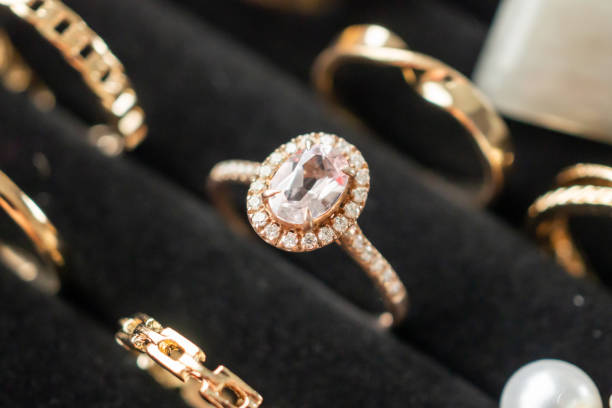
Gold jewelry diamond rings show in luxury retail store display showcase Gold jewelry diamond rings show in luxury retail store display showcase gold jewelry stock pictures, royalty-free photos & images

Choosing the Perfect Gold Engagement Ring at an Orange County Jewelry Shop

Selecting the right setting for a gold engagement ring is an essential step in creating a meaningful and lasting piece of jewelry. The setting is not only about aesthetics but also about functionality, durability, and how well it complements the precious stone. Below is a guide to help you choose the perfect setting that aligns with your style, budget, and practical needs.

Popular Engagement Ring Settings

  • Features small metal claws (prongs) that hold the gemstone securely in place.
  • Maximizes light exposure for brilliance and sparkle.
  • Best suited for round and princess-cut diamonds.
  • Encircles the gemstone with a thin band of metal, offering excellent protection.
  • Sleek and modern design; perfect for active lifestyles.
  • Works well with almost all diamond shapes.
  • Small diamonds are set closely together along the band, creating an illusion of continuous sparkle.
  • Ideal for those seeking added glamour.
  • Features a center stone surrounded by smaller diamonds or gemstones, creating a “halo” effect.
  • Enhances the size and brilliance of the main diamond.
  • Diamonds or gemstones are embedded into a channel within the band itself.
  • Smooth edges make it practical for daily wear.

Factors to Consider When Choosing a Setting

  1. Lifestyle:
    Consider how often your partner will wear their ring and their daily activities:

    • If they lead an active lifestyle or work with their hands often, opt for secure settings like bezel or channel.
    • For those who prioritize maximum sparkle over durability, prong or pavé may be ideal.
  2. Metal Choice:
    Gold engagement rings come in various shades such as yellow gold, white gold, and rose gold: | Metal Type | Characteristics | Best Suited For | |—————–|———————————|————————————-| | Yellow Gold | Classic warmth; timeless look | Traditional styles | | White Gold | Modern elegance | Contemporary designs | | Rose Gold | Romantic pinkish hue | Vintage-inspired or unique settings|
  3. Stone Size and Shape:
    The shape and size of your diamond (or center gemstone) play a vital role in determining which setting works best:

    • Larger stones pair well with minimalistic settings like prong.
    • Smaller stones can be elevated visually using halo or pavé designs.
  4. Budget Considerations:
    Some settings require more craftsmanship (e.g., pavé and halo), which can increase costs compared to simpler designs like prong or bezel.

Matching Personal Style

Every individual has unique tastes when it comes to jewelry style: – Minimalists may prefer understated elegance found in bezel or solitaire prong settings. – Those who enjoy vintage-inspired jewelry might lean toward intricate details like filigree or milgrain combined with rose gold. – For lovers of glamour, bold options such as double-halo or multi-stone settings make excellent choices.

Practical Tips

  1. Visit reputable jewelers to explore different setting options in person.
  2. If unsure about preferences, consider choosing a classic solitaire design—it’s versatile and can complement any personal style.
  3. Take advantage of custom design services if you want something truly one-of-a-kind.

By taking these factors into account—lifestyle needs, personal style preferences, gemstone quality, and budget—you can confidently select a setting that ensures your gold engagement ring becomes an enduring symbol of love matched perfectly to its wearer’s personality.

Exploring Gold Karats: What They Mean and How to Choose

Gold jewelry is a timeless choice, known for its beauty, durability, and versatility. When selecting gold jewelry, understanding the concept of karats is essential. Gold karats not only influence the look and durability of a piece but also its price and value. Here’s a detailed guide on gold karats and how to choose the right one for your needs.

What Are Gold Karats?

Gold karats (K) represent the purity of gold in an item. Pure gold is measured as 24-karat (24K), which is 100% gold. However, because pure gold is soft and prone to bending or scratching, it is often combined with other metals like silver, copper, or zinc to create alloys that enhance strength and wearability.

Karat Gold Content (Purity) Common Characteristics
24K 99.9% Pure Gold Bright yellow color; soft and malleable; less durable; rare for jewelry use in Western markets.
22K 91.7% Pure Gold Rich color; softer than lower-karat options; suitable for intricate designs but less durable for daily wear.
18K 75% Pure Gold Balanced between purity and durability; ideal for fine jewelry such as engagement rings.
14K 58.3% Pure Gold Durable yet affordable; popular choice for everyday wear.
10K 41.7% Pure Gold Strongest due to higher alloy content but less vibrant in color; economical option.

Choosing the Right Karat Level

When selecting the ideal karat level for your gold jewelry, consider several factors such as lifestyle, budget, personal preferences, and intended use.

  1. If you’re looking for a piece of jewelry meant for daily wear (e.g., wedding bands or bracelets), opt for lower-karat gold like 14K or even 10K due to their enhanced strength.
  2. For occasional wear or special events where aesthetics matter more than durability, consider higher-karat options like 22K or even pure gold (24K).
  3. Higher-karat pieces typically cost more because they contain more pure gold.
  4. If you’re working within a budget, choosing a slightly lower karat like 14K can help you balance quality with affordability.
  5. Higher alloy content in lower-karat gold can sometimes cause skin reactions in individuals sensitive to certain metals like nickel.
  6. If allergies are a concern, opt for higher-purity items such as those made from 18K or above.
  7. Higher-karat pieces have richer golden hues that some people find more appealing.
  8. Lower-karat items may appear subtler due to their mixed alloy content but are still visually striking.

Advantages and Disadvantages of Various Karats

  • 24K: Pros – High investment value due to purity; beautiful luster. Cons – Prone to scratches; not ideal for complex designs.
  • 18K-22K: Pros – Excellent balance of beauty and strength; suitable for premium designs. Cons – Pricier compared to lower karats.
  • 14K & Below: Pros – Highly durable; affordable options available; versatile design choices possible. Cons – Lower purity means reduced intrinsic value.

Final Thoughts on Picking Your Ideal Karat

Choosing the right karat ultimately depends on how you plan to use your jewelry piece along with your aesthetic taste and lifestyle requirements. Whether you’re drawn toward the vibrant glow of high-purity gold or prefer something more practical for everyday wear, understanding what each karat level represents allows you to make informed decisions tailored to your preferences.

By keeping these tips in mind when shopping for gold jewelry—whether it’s an elegant engagement ring or a statement necklace—you’ll be able to strike the perfect balance between style, utility, quality, and value that complements both your budget and taste perfectly!

Old Gold Jewelry  gold jewelry stock pictures, royalty-free photos & images

Top Ways to Find Your Partner’s Perfect Ring Size Without Giving It Away

Finding the perfect engagement ring involves more than just selecting the right diamond or gold setting. One of the trickiest parts is determining your partner’s ring size without spoiling the surprise. Properly sizing a ring ensures not only comfort but also practicality for everyday wear. Here are some discreet and thoughtful ways to figure out your partner’s ring size while keeping your proposal plans under wraps.

1. Borrow a Ring They Already Own

If your partner regularly wears rings, this can be one of the easiest ways to uncover their size:
Choose a frequently worn ring: Make sure it’s from the correct hand and finger (for example, left-hand ring finger).
Trace or measure it: While they’re not looking, use a pen to trace the inner circumference onto paper, or press it into soft soap or clay for an impression. A jeweler can measure this for you later.
Use a sizing tool: Slide their existing ring onto a printable online sizing guide or purchase an inexpensive plastic ring sizer.

2. Ask Friends or Family Members for Help

Loved ones can be valuable allies in helping you uncover their size without suspicion:
Close friends: They may already know, especially if they’ve discussed engagement plans in casual conversation.
Family members: Parents or siblings might have purchased rings as gifts in the past and could share insights about sizing preferences.

Make sure to ask someone who can keep your secret safe and avoid accidental hints.

3. Use Sneaky Comparisons During Casual Conversations

If borrowing isn’t possible, you can always get creative by observing subtle details:
– Compare hand sizes by playfully holding hands and mentally noting how your fingers match up.
– Make comments about jewelry preferences while browsing stores together casually – this might give clues about sizes without direct questioning.

4. Utilize Technology-Based Options for Sizing

Method Description Level of Discretion
Online Size Finders Websites that let you upload photos of hands wearing rings against common objects (like coins). High
Ring-Sizing Apps Applications that estimate exact dimensions digitally based upon screen calibration methods. Moderate

Both methods ensure no physical object needs borrowed physically; simply apply tech solutions whenever privacy matters most!

Shopping for a Diamond by Shape: Matching Style with Personality

Choosing the perfect diamond shape is an essential part of selecting an engagement ring. The shape of a diamond can reflect individuality and style preferences, making it a deeply personal choice. Below, we explore how various diamond shapes align with different personalities and styles, helping you find the best match for your partner.


How to Choose the Best Gold Jewellery with an Orange County Jeweler

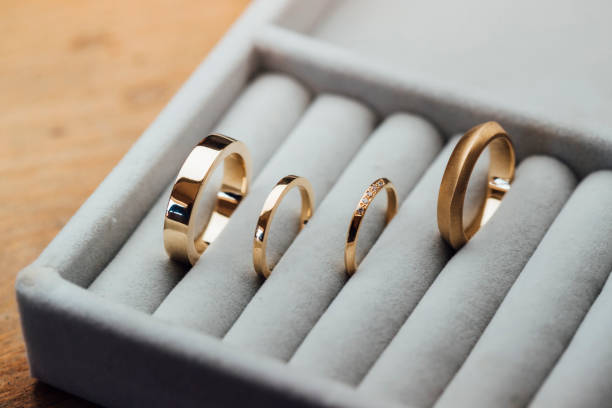
Collection of Rings A collection of handcrafted golden rings on display in a jewelry store. / Female Focus Collection gold jewelry stock pictures, royalty-free photos & images

When it comes to purchasing gold jewellery, selecting the perfect piece can be both exciting and overwhelming. With numerous factors such as purity, style, price, and craftsmanship to consider, making an informed decision is crucial. This guide will walk you through the essential steps to ensure you choose the best gold jewellery for your needs.

1. Understand Gold Purity

Gold purity plays a significant role in determining the value and durability of your jewellery. Gold is typically measured in karats (K), with 24K being pure gold. However, pure gold is soft and not always suitable for daily wear, so alloys are often mixed to improve its strength.

Karat Gold Content Characteristics
24K 99.9% Pure gold; soft and prone to scratches; bright yellow color
22K 91.6% Durable; ideal for traditional jewellery
18K 75% Good balance between beauty and strength; suitable for daily wear
14K 58.3% Affordable; durable but less vibrant compared to higher karats

Choose a karat level based on your lifestyle and how often you intend to wear the piece.

2. Decide on the Type of Gold

  • Yellow Gold: Classic look; timeless appeal.
  • White Gold: Modern appearance; plated with rhodium for added shine.
  • Rose Gold: Warm hue; romantic aesthetic.
  • Green or Black Gold: Unique choices for distinctive styles.

Your choice of color should match your personal style or complement existing pieces in your collection.

3. Assess Craftsmanship and Design

  • Minimalist designs for everyday wear.
  • Ornate or statement pieces for special occasions.
  • Traditional motifs reflecting cultural or regional heritage.

Inspect details like settings, clasps, and finishing quality before purchasing. A well-crafted piece should feel sturdy without visible flaws.

4. Consider Hallmarks and Certification

  • Karat stamp (e.g., “18K” or “750”).
  • BIS hallmark (in some countries like India).
  • Maker’s mark or brand logo.

If available, request a certificate of authenticity from reputable sellers.

5. Balance Budget vs Value

  1. Factor in additional costs like gemstone settings or embellishments.
  2. Compare prices from multiple retailers before deciding.
  3. Remember that higher-karat pieces generally cost more but may not always be practical depending on usage.

Key Questions to Ask Before Buying

  • Does this piece suit my personal style?
  • Is it appropriate for its intended purpose (daily wear vs special occasion)?
  • Am I purchasing from a trusted jeweller with proper certifications?

By keeping these considerations in mind, you can confidently select high-quality gold jewellery that aligns with your preferences, budget, and lifestyle needs while standing as an enduring testament to sophistication and elegance.

Unique Gold Jewelry Types and Characteristics at an Orange County Jewelry Shop

Gold jewellery has long been admired for its timeless beauty and versatility. Whether you’re looking for a bold statement piece or something minimal and elegant, understanding the various types of gold jewellery and their defining features can help you make an informed decision. Here’s a guide to the most popular types of gold jewellery and what makes each one unique.

1. Plain Gold Jewellery

Plain gold jewellery includes items crafted entirely from gold without any embedded gemstones or added elements. Its simplicity makes it a popular choice for both everyday wear and special occasions.

Key Features: – Available in different karats (e.g., 24K, 22K, 18K) depending on purity levels. – Durable and resistant to tarnishing when made of higher-karat gold. – Timeless designs suitable for all ages.

Examples: – Wedding bands – Plain bangles – Minimalist necklaces

2. Gold-Plated Jewellery

Gold-plated jewellery is crafted with a layer of gold coated over a base metal such as brass or silver. This type offers an affordable alternative to solid gold pieces while allowing wearers to enjoy the aesthetic appeal of gold.

Key Features: – More affordable than solid gold or gold-filled jewellery. – Requires careful maintenance to prevent the outer layer from wearing off. – Ideal for trendy, fashion-forward designs.

Pros Cons
Affordable luxury Less durable compared to solid gold
Wide variety of styles May tarnish over time

3. Gold-Filled Jewellery

Gold-filled jewellery contains a thicker layer of real gold bonded to a base metal core through heat and pressure. It is more durable than plated options while remaining less expensive than solid gold.

Key Features: – Higher percentage of real gold compared to plated jewellery. – Hypoallergenic for most wearers due to its thicker layer of precious metal. – Long-lasting when properly cared for.

4. Rose Gold Jewellery

Rose gold has surged in popularity due to its romantic, soft pink hue created by mixing pure gold with copper alloys. It is especially loved for its vintage-inspired look.

Key Features: – Distinctive warm tone that complements all skin tones. – Durable due to copper content in the alloy. – Pairs beautifully with diamonds or colored gemstones.

Common Items:
Rose-gold engagement rings, bracelets, pendants

5. White Gold Jewellery

White gold achieves its lustrous silvery appearance by alloying yellow gold with metals like palladium or nickel before being rhodium-plated for added shine.

Key Features: – Modern aesthetic, often preferred over platinum due to affordability. – Requires occasional rhodium re-plating to maintain its bright finish.

Examples:
White-gold eternity bands, modern chain necklaces

6. Yellow Gold Jewellery

Yellow gold remains the classic choice for many buyers owing to its rich golden hue that symbolizes wealth and tradition.

Key Features: – Alloyed with metals like copper and zinc for strength while retaining a warm tone. – Complements vintage designs as well as contemporary styles seamlessly.

Commonly Found In:
Intricate bangles; heirloom-inspired pieces

Comparison Table – Types of Gold by Durability & Cost

Type Durability Cost Range (approx.) Maintenance Required?
Solid Gold High $$$$ Low
Gold-Plated Low $ High
Gold-Filled Medium $$ Moderate
Rose Gold Medium $$$ Moderate
White Gold Medium $$$ High

By understanding these unique characteristics, you can confidently choose the right type of jewellery that aligns with your preferences, budget, and lifestyle choices. Always consider your specific needs—whether it’s durability, style versatility, or cost-effectiveness—when selecting your next piece of precious adornment.

How to Style Gold Jewellery for Every Occasion

Gold jewellery is a timeless accessory that can elevate your look, no matter the event. Styling gold pieces appropriately ensures you enhance your outfit without overdoing it. Here’s a guide to help you style gold jewellery for different occasions while keeping balance and elegance in mind.

Everyday Casual Wear

For casual outings or daily errands, simplicity is key. Opt for understated gold jewellery that adds a touch of refinement without being overpowering.

  • Necklaces: Choose delicate gold chains or small pendants.
  • Earrings: Studs or small hoops work best for a minimalist look.
  • Bracelets/Rings: Thin bangles or stackable rings can add subtle charm.

By selecting lightweight and simple designs, gold jewellery can seamlessly complement your casual attire.

Formal Events

Formal events like galas, weddings, or cocktail parties call for statement pieces that exude sophistication. Keep the focus on one or two signature items to avoid overwhelming your ensemble.

  • Necklaces: A bold choker or an intricate long necklace pairs well with formal gowns or dresses with lower necklines.
  • Earrings: Consider chandelier earrings, drop earrings, or embellished stud designs to add glamour.
  • Bracelets/Rings: Cuff bracelets and cocktail rings can make outstanding additions to formal wear.

When attending formal events, it’s also important to consider matching your jewellery tone with the embellishments in your outfit.

Work and Office Settings

Incorporating gold jewellery into work attire requires striking a balance between professionalism and style. The goal is to keep things polished yet understated.

  • Necklaces: Opt for short chains with subtle pendants such as geometric shapes or pearls.
  • Earrings: Small hoops, huggies, or classic studs are perfect choices.
  • Bracelets/Rings: Minimalist designs like slim bangles or one elegant ring maintain a professional appearance.

Keep in mind that less is often more when styling gold jewellery in professional environments.

Festive Celebrations

Festive occasions provide an opportunity to experiment with opulent and traditional gold pieces that make a statement while highlighting cultural heritage.

  • Gold jhumkas, temple jewellery designs, and ornate necklaces are popular choices for traditional festivities.
  • Pair heavier pieces with simpler outfits so the focus remains on the intricate craftsmanship of the jewellery.

Adding gemstone-studded gold ornaments can bring vibrance while maintaining elegance during celebratory moments.

A Night Out

  • Layered necklaces create visual interest while remaining trendy.
  • Statement earrings like oversized hoops or long danglers draw attention without needing additional accessories.
  • Pair rings with textured finishes alongside metallic clutches for added sparkle.

Maintaining balance between boldness and cohesion ensures you stand out stylishly during evening engagements.

Occasion Best Jewellery Pieces
Casual Everyday Simple chains, studs, thin bangles
Formal Events Statement necklaces, chandelier earrings
Work Settings Minimalist pendants, huggie earrings
Festive Celebrations Traditional gold sets like jhumkas; gemstone-encrusted designs
Night Out Layered chains; statement rings

By understanding how each occasion calls for unique combinations of design and style elements, you’ll always be ready to shine appropriately wherever you go!

Tips and Insights for Finding the Best Jewelry Store Orange County

Buying gold jewellery is a significant investment, both financially and emotionally. It’s important to take the time to evaluate key factors when making your purchase. Here are some essential considerations and tips to help you make a well-informed decision.

1. Understand Gold Purity and Karatage

Gold purity is measured in karats (K), which indicates the proportion of pure gold in the jewellery.
24K Gold: Pure gold, soft and not typically used for intricate designs or everyday wear.
22K Gold: Contains 91.6% gold with a mix of other alloys for added durability, ideal for traditional designs.
18K Gold: 75% gold with higher alloy content, offering both strength and versatility; suitable for daily wear or pieces with gemstones.
14K Gold: Contains 58.3% gold, known for its affordability and durability, often used in modern designs.

When purchasing, ensure the karatage is marked or hallmarked on the piece to verify authenticity.

2. Pay Attention to Hallmarks

Hallmarks are official stamps that certify the purity and authenticity of your gold jewellery. Trusted jewellers will provide hallmarked pieces that meet regional or international standards such as:
| Hallmark | Country/Region | Purity Certification |
|———-|—————-|———————-|
| BIS Hallmark | India | Ensures purity grading according to BIS standards (e.g., 22K) |
| 750 Stamp | Global | Indicates 18K (750 parts per thousand) purity |

Always verify these marks before completing your purchase.

3. Evaluate Craftsmanship and Design

The quality of craftsmanship significantly affects the value and durability of gold jewellery:
– Inspect intricate detailing—poor workmanship may lead to damage over time.
– Check for any weak clasps or uneven soldering that may compromise structural integrity. – If buying gemstone-studded jewellery, ensure the stones are securely mounted.

Prioritize timeless designs if you’re looking for long-term use or investment potential.

4. Consider Weight Versus Price

Gold jewellery pricing depends on weight since it’s sold by gram rates combined with making charges. Keep these tips in mind: – Heavily designed items may include higher labour rates due to intricate details. – Hollow or lightweight pieces reduce overall cost but may be less durable. – Always compare prices across trusted sellers before making a decision.

5. Check for Making Charges

Making charges refer to the cost of crafting a particular design beyond just its material value: – Making charges can either be fixed per item or calculated as a percentage of gold weight. – Negotiate whenever possible—some jewellers offer discounts during festive seasons or promotional events.

If your budget allows, buy from artisans who specialize in high-quality handmade designs rather than mass-produced items.

6. Verify Return Policies

A transparent return policy ensures peace of mind if you wish to exchange or upgrade your piece later: – Ask about buyback policies—what portion of original price will be refunded? – Request documentation specifying terms related specifically toward returns/exchanges like deductions incurred due wear-and-tear etc`.

wearing a white gold ring stock photo

A Complete Guide to Buying Gold Jewelry from Orange County Jewelry Sellers

Gold jewellery has always been considered a timeless and meaningful gift. Whether you’re celebrating a milestone, expressing appreciation, or marking a special occasion, gold jewellery speaks volumes about thoughtfulness and care. This guide will help you select the perfect gold piece to suit the recipient and the occasion, ensuring your gesture leaves a lasting impression.

Understand the Recipient’s Style

  • Metal Preference: Does the person prefer yellow gold, white gold, or rose gold? Each type carries its own aesthetic appeal.
  • Minimalist vs. Statement Pieces: Do they lean toward understated elegance with simple designs, or bold statement jewellery that stands out?
  • Jewellery Type: Note whether they frequently wear earrings, necklaces, bracelets, rings—or all of them.
  • Gemstones vs. Plain Gold: Some people prefer plain gold for its classic simplicity, while others appreciate gemstones like diamonds, emeralds, or rubies embedded in their jewellery.

Match the Occasion

Occasion Suggested Gold Jewellery Pieces
Birthday Birthstone pendants in gold settings
Anniversary Classic gold bands or eternity rings
Graduation Simple yet elegant bracelets symbolizing new beginnings
Wedding Intricate designs such as necklaces or bangles
Valentine’s Day Heart-shaped pendants in rose or yellow gold

When selecting a piece for an occasion like an anniversary or wedding proposal, consider personal engravings to add sentimental value.

Assess Quality

  • 24K Gold: Purest form but softer and more prone to scratches; not ideal for everyday wear.
  • 18K Gold: 75% pure; balances durability and purity well.
  • 14K Gold: 58% pure; highly durable and suitable for active lifestyles.

Always check for hallmarks stamped on the piece to confirm its authenticity and purity. Reputable jewellers will also provide certification documents that guarantee quality.

Budget-Friendly Options

  1. Opt for smaller pieces such as stud earrings or delicate chains.
  2. Consider hollow designs—they reduce weight while maintaining visual appeal.
  3. Explore semi-precious gemstones instead of diamonds for gemstone-studded pieces.

Personalize Your Gift

  • Engrave initials, dates, or meaningful messages on rings or pendants.
  • Choose designs that symbolize something special—such as infinity symbols for everlasting love or tree-of-life motifs representing growth.

Packaging Matters

Thoughtful presentation is key when gifting jewellery. Select high-quality packaging such as velvet-lined boxes with elegant finishes. Some jewellers offer customization options like monogrammed boxes that add an extra layer of sophistication.

Purchasing gold jewellery as a gift requires attention to detail and consideration of personal preferences. By keeping these tips in mind—understanding style preferences, matching occasions with appropriate pieces, focusing on quality assurance—you can ensure your gift becomes a cherished keepsake for years to come.

Special Events and Occasions: Elevate Your Look with Gold Jewellery

Gold jewellery has long been associated with elegance and sophistication, making it the perfect accessory for special events and celebrations. Whether you are attending a wedding, a formal gala, or a festive occasion, gold jewellery can elevate your appearance and add a touch of timeless glamour. Here’s how to choose and style gold jewellery for various special events to make a lasting impression.

Choosing the Right Gold Jewellery for Special Events

  • For formal events like black-tie dinners or galas, opt for statement pieces such as chandelier earrings or bold gold necklaces.
  • For traditional ceremonies like weddings or cultural celebrations, intricate designs like Kundan or filigree work in 22k gold could complement your attire beautifully.
  • For casual yet festive gatherings, minimalist gold designs—such as thin bracelets or stud earrings—are ideal.
  • Yellow gold enhances warm skin tones by adding radiance.
  • White gold works well with cooler undertones.
  • Rose gold offers versatility and suits almost all skin tones while lending a contemporary charm.
  • Heavily embellished outfits work best with simple yet elegant gold pieces to avoid an overwhelming look.
  • Simpler garments can be paired with statement jewellery to create a striking effect.

Styling Gold Jewellery for Key Occasions

Once you’ve selected the perfect piece of jewellery, styling is equally important to achieve an overall polished look.

  • Weddings:
    Layered necklaces paired with matching bangles create an opulent look ideal for wedding celebrations. Complement this with earrings that match either the necklace design or add symmetry in terms of size.
  • Formal Evening Functions:
    A sleek gown can be elevated using drop earrings in white or yellow gold combined with an understated bracelet. Avoid wearing both statement earrings and necklaces together; let one piece take center stage.
  • Festive Holidays:
    Opt for versatile pieces that incorporate gemstones in red (rubies) or green (emeralds) embedded in gold—a great way to reflect festive colours without being overly flashy.

Tips to Maintain Elegance Without Overdoing It

To ensure that your look remains classy rather than overwhelming: 1. Stick to two major types of jewellery per outfit—for instance, focus on necklaces and rings while skipping bracelets. 2. Avoid mixing too many metals; if you’re wearing yellow-gold pieces, try not to pair them with rose-gold or white-gold items unless they are part of a cohesive design. 3. Balance heavy designs (e.g., layered necklaces) by keeping other accessories minimal.

Event Type Suggested Jewellery Style Gold Type
Wedding Layered necklaces & matching bangles Yellow/22K Gold
Black-Tie Dinner Drop earrings & sleek bracelets White/Yellow Gold
Festive Holiday Gemstone-studded pendants & studs Rose/Yellow Gold

Why Invest in Quality Gold Pieces for Special Occasions

Gold jewellery serves not just as an accessory but also as an investment that holds its value over time. High-quality craftsmanship ensures durability while creating timeless keepsakes that can be passed down through generations. When purchasing for special occasions: – Opt for hallmarked pieces indicating purity standards. – Choose well-established jewellers known for authenticity.

By understanding these tips and insights into styling and selection, you’ll effortlessly elevate your appearance while celebrating life’s most cherished moments adorned in exquisite gold jewellery.

A Guide to Gemstone-Embedded Gold Jewellery: What to Know Before You Buy

Gemstone-embedded gold jewellery is a timeless combination that blends the elegance of gold with the vibrant beauty of gemstones. Whether you’re looking for a statement piece or something more subtle, understanding key aspects before purchasing can ensure you make an informed decision.

Types of Gemstones Commonly Embedded in Gold Jewellery

  • Diamonds: Known for their brilliance and durability, diamonds are a classic choice for rings, necklaces, and bracelets.
  • Emeralds: These green gemstones add a touch of luxury and sophistication to any piece.
  • Rubies: Their rich red hue symbolizes passion and adds boldness to gold designs.
  • Sapphires: Available in various hues, sapphires lend versatility and elegance to gold jewellery.
  • Amethysts: With their soothing purple tones, amethysts are ideal for creating eye-catching yet refined designs.

When choosing gemstone-embedded jewellery, it’s essential to consider both personal style and the specific attributes of each stone.

Factors to Consider Before Buying

  1. Confirm if the gemstones are natural, synthetic, or treated. Natural stones are more valuable but may have slight inclusions.
  2. Synthetic stones offer affordability without sacrificing appearance but lack rarity.
  3. Gold purity is measured in karats (e.g., 14K or 18K). Higher karat pieces contain more pure gold but may be softer.
  4. Opt for lower karats (e.g., 14K) if durability is a priority due to daily wear.
  5. Examine settings like prong, bezel, or pave styles for craftsmanship.
  6. Poorly secured stones can loosen over time; ensure settings hold gemstones securely.
  7. The combination of gemstone color with the shade of gold (yellow, white, or rose) plays a significant role in aesthetics.
  8. Determine which metal complements the gemstone’s hue for maximum visual appeal.
  9. Reputable jewelers should provide certification verifying both the authenticity of gemstones and the carat weight of the gold.
  10. Look for certificates from organizations such as GIA (Gemological Institute of America).

Versatility and Uses

Occasion Recommended Pieces Stones Suggestions
Formal Events Statement necklaces or cocktail rings Diamonds, emeralds
Everyday Wear Stud earrings or delicate pendants Sapphires, amethysts
Special Celebrations Eternity bands Rubies
Office/Professional Use Minimalistic bracelets or studded cuffs White sapphires

This versatility ensures you can find pieces that enhance your wardrobe while fitting into your lifestyle seamlessly.

Caring for Gemstone-Gold Jewellery

  • Clean regularly with mild soap and water; avoid harsh chemicals that can damage both gemstones and metal.
  • Store each piece separately in soft pouches to prevent scratches.
  • Have settings checked periodically by professionals to maintain security.

Investing time into proper care preserves not only beauty but also financial value over time.

Gold jewellery embedded with gemstones offers unmatched elegance when chosen thoughtfully. By understanding key factors such as purity levels, gemstone quality, and proper maintenance practices, you’ll ensure your investment stands out as both meaningful and enduring artistry.

A Guide to Gemstone-Embedded Gold Jewellery: What to Know Before You Buy

Gemstone-embedded gold jewellery is an exquisite combination of timeless elegance and vibrant color. Whether you’re purchasing a statement necklace, an engagement ring, or a pair of earrings, this type of jewellery offers unique charm and personalization. However, buying gemstone-embedded gold jewellery requires careful thought and understanding. Below is an in-depth guide to help you make informed decisions.

Understanding the Basics: Types of Gemstones

  • Diamonds: Known for their brilliance and durability.
  • Rubies: Symbolize passion and love with their deep red hues.
  • Emeralds: Coveted for their vibrant green color.
  • Sapphires: Available in various shades, though blue sapphires are the most iconic.
  • Amethysts: Featuring beautiful purple tones.
  • Aquamarines: Light blue gemstones often associated with tranquility.
  • Citrine: A golden-yellow gemstone that adds warmth.
  • Topaz: Found in a range of colors from blue to golden orange.

Each gemstone has unique qualities, including durability (measured by the Mohs scale), rarity, and symbolic meanings. These factors can influence both aesthetics and price.

Choosing the Right Gold for Your Gemstone

Type of Gold Appearance Durability Best Matches With
Yellow Gold Classic warm tone Resistant to tarnish Rubies, emeralds
White Gold Sleek silver-like finish Requires occasional plating Diamonds, sapphires
Rose Gold Romantic pinkish hue Slightly softer than others Amethysts, morganites

When pairing gemstones with gold types, consider how the colors complement each other. For example, emeralds stand out beautifully against yellow gold, while diamonds pair effortlessly with white gold.

Factors to Consider Before Buying

  1. Certification Matters
    Ensure that both the gemstone and gold are certified by reputable organizations like GIA (Gemological Institute of America) or BIS (Bureau of Indian Standards). Certification guarantees authenticity and quality.
  2. The cut impacts how light interacts with the gemstone.
  3. Clarity determines if there are inclusions or imperfections visible under magnification.
  4. Karat Weight The purity of gold is expressed as karat weight (e.g., 18K or 22K). Higher karat levels mean purer but softer metal; balance durability against purity based on usage.
  5. Setting Style Common settings include prong settings (which allow maximum light exposure) or bezel settings (offering extra protection). Choose depending on your lifestyle—bezel settings may be more durable for daily wear.
  6. Stone Treatment Some gemstones undergo treatments like heat enhancement or chemical treatments to improve their appearance. Ask about any alterations before purchasing.

Benefits of Gemstone-Embedded Gold Jewellery

  • Adds personal significance due to birthstones or symbolic meanings.
  • Elevates simple designs into eye-catching statement pieces.
  • Combines luxury materials for long-term value retention.

For those who value tradition mixed with creativity, gemstone-adorned pieces bring together artistry and refinement like no other accessory can offer.

With thoughtful consideration and proper care practices such as regular cleaning and storage away from harsh chemicals or sunlight exposure, your gemstone-adorned gold jewellery can remain timelessly beautiful for years to come.


Your Ultimate Guide to Buying Gold Jewelry at a Jewelry Store Orange County

Close up view of gold ring with diamonds Macro shot of a diamond eternity/anniversary ring. gold jewelry stock pictures, royalty-free photos & images

Purchasing gold jewelry is a significant investment, whether for personal adornment, a gift, or as a financial asset. To ensure you make the right choice, it’s essential to consider several key factors. This guide walks you through everything you need to know about buying gold jewelry.

Understanding Gold Purity: Karats and Their Meaning

Karat Gold Content Durability Level Common Uses
24K 99.9% pure Soft and malleable Investment pieces
22K ~91.7% pure Moderate durability Traditional jewelry
18K ~75% pure Durable Everyday wear
14K ~58.3% pure Highly durable Engagement rings, bracelets
10K ~41.7% pure Extremely durable Affordable options

Higher-karat gold is softer and less resistant to scratches compared to lower-karat gold alloys that blend other metals for enhanced durability.

Key Considerations When Shopping

  1. Are you buying for sentimental reasons or as an investment?
  2. For daily wear, consider durable options like 14K or 18K gold.
  3. Gold prices fluctuate daily based on market conditions.
  4. Decide your budget early and factor in additional costs like design intricacies or gemstones.
  5. Think about whether you’re drawn to classic designs, modern styles, or cultural influences in craftsmanship.
  6. Certification
    Always look for hallmarks indicating purity, such as “24K,” “18K,” or “14K,” stamped on the jewelry piece. Trusted jewelers also provide certifications that verify authenticity.

Types of Gold Jewelry

  • Chains and Necklaces: Perfect for layering or creating elegant standalone looks.
  • Rings: From engagement rings to stackable bands, these are ideal for personal expression.
  • Bracelets: Available in designs ranging from simple bangles to intricately adorned cuffs.
  • Earrings: Hoops, studs, and drop styles offer variety for different tastes.

Each type comes with unique price ranges based on weight and craftsmanship.

Evaluating Craftsmanship

  • The smoothness of finishes—poorly finished edges may indicate low-quality work.
  • Strength of clasps and closures—they should feel sturdy yet easy to operate.
  • Integration of gemstones—stones should be securely set without gaps around prongs.

Tips When Visiting Jewelers

  1. Research reputable jewelers with positive reviews either online or locally known experts.
  2. Ask about return policies and warranties before committing to purchase.
  3. Request detailed invoices specifying details such as karat weight and any additional materials used in crafting your chosen piece.

Shopping wisely ensures your gold jewelry becomes not only an accessory but also an enduring keepsake crafted with value in mind.

How Orange County Jewelry Sellers Can Help You Choose the Perfect Gold Chain Style

Gold chains are among the most versatile and timeless pieces of jewelry, suitable for both everyday wear and special occasions. However, choosing the right gold chain involves more than selecting what looks attractive. To make a well-informed decision, several factors should be considered, from gold purity to chain design.

Factors to Consider When Buying a Gold Chain

  1. Gold Purity (Karat)
    The purity of gold is measured in karats (K), with 24K being pure gold. However, pure gold is soft and prone to bending or scratching. For durability:
    18K (75% gold): Offers a balance between purity and strength. It has a bright yellow hue. – 14K (58.3% gold): More durable and affordable, making it ideal for everyday wear. – 10K (41.7% gold): The hardest but contains less actual gold, appearing slightly less vibrant.
Karat Gold Purity (%) Characteristics
24K 99.9 Soft, vibrant yellow; not durable
18K 75 Rich color; suitable for fine jewelry
14K 58.3 Durable; ideal for daily use
10K 41.7 Affordable but duller in appearance
  1. Chain Style
    Gold chains come in various styles to suit different aesthetics and purposes:
    Cable Chains: A classic style with interlocking oval links, perfect for pendants or layering. – Rope Chains: Twisted strands that exude luxury and durability. – Curb Chains: Flat interlocking links that are sleek and modern. – Figaro Chains: A unique design with alternating long and short links. – Box Chains: Square-shaped links providing an understated yet elegant look.

Each style serves its purpose: – Opt for finer chains if you plan to pair them with pendants. – Thicker designs work well as standalone statement pieces.

  1. Length & Thickness
    The length of the chain dramatically influences how it complements your neckline or attire: – 16 inches (“Choker”): Sits snugly around the neck. – 18 inches (“Princess”): Falls at the collarbone; versatile length for casual or formal wear. – 24+ inches (“Opera”): Ideal for layering or achieving a dramatic look.

Thicker chains are robust but may feel heavier, while thinner ones are more delicate but prone to tangling.

Matching Gold Chains to Personal Style

When selecting a chain style: 1. Reflect on your wardrobe – Does your jewelry pair well with casual clothing or elegant evening wear? 2. Consider skin tone – Warmer tones often complement yellow or rose gold better, while cooler tones suit white gold. 3. Think about versatility – A neutral design like a cable chain matches various outfits effortlessly.

Additionally, mixing textures by layering multiple chains of varying lengths can create an on-trend yet personalized aesthetic.

Essential Shopping Tips

To ensure you’re purchasing high-quality gold chains: 1. Always check the hallmark stamp indicating karat value (e.g., “14K” or “18K”). 2. Confirm weight – Heavier pieces generally indicate solid construction rather than hollow designs that may dent over time. 3. Ask about clasp strength – Lobster clasps are more secure compared to spring-ring clasps. 4. Buy from reputable jewelers who provide certification of authenticity.

Investing in a well-chosen gold chain ensures you’ll have an accessory that’s both stylish and enduring across trends and generations alike.

Exploring Unique Hues and Alloys in Gold Jewelry with an Orange County Jeweler

Gold jewelry has evolved far beyond the standard yellow hue we often associate with this precious metal. Modern craftsmanship and metallurgy have introduced a spectrum of gold colors, offering unique options to suit personal styles and preferences. Understanding the different hues of gold, along with the alloys that create them, is essential when shopping for colored gold jewelry.

Common Types of Colored Gold

  1. Yellow Gold
    Yellow gold is considered the most traditional type and is often associated with classic elegance. Its rich color comes from mixing pure gold with metals like copper and zinc.
  2. White Gold
    White gold’s silvery appearance is achieved by alloying pure gold with white metals such as nickel, palladium, or silver. To enhance its shine, white gold is often plated with rhodium, which also increases durability.
  3. Rose Gold
    Rose gold has gained significant popularity in recent years due to its romantic pinkish hue. This unique shade results from blending pure gold with a larger proportion of copper compared to other alloys.
  4. Green Gold
    Green gold, also known as electrum, has a subtle greenish tint created by alloying pure gold with silver or sometimes cadmium. While less common in modern jewelry designs, green gold can add an unconventional touch to your collection.
  5. Blue and Purple Gold
    These rare colors are created through specialized techniques like oxidation or combining pure gold with specific metals like indium (for blue) or aluminum (for purple). Due to their fragility, blue and purple gold are typically used for accents rather than entire pieces.

Key Factors to Consider When Choosing Colored Gold

  • Purity Levels: Colored gold jewelry is typically available in 10K, 14K, 18K, or 22K options depending on its alloy composition. Higher karat values indicate greater purity but may result in softer pieces less suitable for daily wear.
  • Durability: Some colored alloys are more durable than others. For example:
  • White gold (with rhodium plating) tends to be scratch-resistant.
  • Rose and yellow gold are softer due to higher copper content.
  • Skin Sensitivity: Certain alloys may trigger allergic reactions—for instance:
  • Nickel in white-gold alloys may not be suitable for sensitive skin.
  • Hypoallergenic options include palladium-based white-gold blends.
Color Alloy Components Durability Common Uses
Yellow Gold Pure Gold + Copper + Zinc Moderate Wedding bands & necklaces
White Gold Pure Gold + Nickel/Palladium/Silver High (with plating) Engagement rings & earrings
Rose Gold Pure Gold + Copper Moderate Fashion rings & pendants
Green Gold Pure Gold + Silver/Cadmium Low Vintage or custom designs
Blue/Purple Pure Gold + Indium/Aluminum Fragile Decorative accents only

Benefits of Colored Gold Jewelry

  1. Versatility in Style: Diverse hues allow you to match colored gold pieces effortlessly with your wardrobe or other types of jewelry.
  2. Personalization Opportunities: The variety of shades enables crafting unique combinations or custom designs that reflect individuality.
  3. Timeless Appeal: Unlike trends that come and go quickly, well-crafted colored-gold items retain their appeal over time while showcasing dynamic craftsmanship.

Understanding the world of colored gold opens up countless possibilities when choosing jewelry that aligns perfectly with your aesthetic preferences and lifestyle needs. By selecting quality materials and considering your unique requirements—such as durability or skin compatibility—you can enjoy a piece that’s both beautiful and enduringly relevant.

gold chains and bracelets on jewelry display gold chains and bracelets on jewelry display gold jewelry stock pictures, royalty-free photos & images

Exploring Unique Hues and Alloys in Gold Jewelry at an Orange County Jewelry Shop

Gold jewelry is often associated with its classic yellow hue, but the modern jewelry market offers a dazzling array of colored gold options. These variations result from combining pure gold with different metals to create unique alloys. Understanding the range of colored gold can help you select pieces that suit your personal style while appreciating the craftsmanship behind these stunning designs.

Types of Colored Gold

  • The traditional choice for gold jewelry.
  • Created by alloying pure gold with copper and zinc.
  • Its warm tone complements all skin tones and is ideal for those who prefer timeless elegance.
  • Achieved by mixing pure gold with metals like nickel, palladium, or silver.
  • Often plated with rhodium for enhanced brilliance and durability.
  • Offers a sleek, modern look that pairs well with diamonds.
  • A blend of pure gold and copper, giving it a pinkish-red hue.
  • Popular for its romantic and vintage appeal.
  • Works beautifully in both minimalist and ornate designs.
  • A softer greenish tint achieved by alloying gold with silver or cadmium.
  • Rarely used on its own but often incorporated into intricate designs for unique accents.
  • These unconventional hues are created through advanced techniques such as oxide layers or intermetallic compounds.
  • Typically used in high-end or custom-designed pieces to make bold statements.

Choosing the Right Colored Gold

Skin Tone Recommended Colors Why It Works
Cool Skin Tones White Gold, Rose Gold Complements undertones naturally
Warm Skin Tones Yellow Gold, Green Gold Enhances warm undertones
Neutral Tones Any Color Versatile across all shades

Benefits of Exploring Colored Gold

  1. Uniqueness: Colored gold offers an opportunity to stand out from traditional yellow-gold options.
  2. Versatility: With various hues available, it’s easy to find a shade that matches every outfit or occasion.
  3. Symbolism: Different colors can signify specific emotions or milestones (e.g., rose gold is often associated with love).

Caring for Colored Gold Jewelry

  • Avoid exposing your jewelry to harsh chemicals like chlorine or household cleaners.
  • Store each piece separately to prevent scratching between different metal types.
  • Clean regularly using mild soap and water followed by gentle polishing with a soft cloth.

By exploring colored gold options thoughtfully, you can expand your jewelry collection while celebrating the artistry that goes into crafting these beautiful alloys. Whether you’re drawn to the richness of rose gold or intrigued by rare hues like green or black gold, there’s something extraordinary awaiting every style preference in this diverse category of fine jewelry design.

Personalized Gold Jewelry: Creating Meaningful and Timeless Style

Gold jewelry has long been cherished for its beauty, value, and timeless appeal. When it comes to personalized gold jewelry, the significance deepens as these pieces are thoughtfully customized to reflect individual stories, milestones, or personal taste. Whether as a gift or a keepsake for yourself, personalized gold jewelry offers endless possibilities for creating meaningful and unique treasures.

Benefits of Personalized Gold Jewelry

  • Uniqueness: Each piece is one of a kind, tailored to your specific preferences.
  • Emotional Value: Personalized designs often carry sentimental meaning, making them more special than mass-produced items.
  • Timeless Keepsakes: These pieces can become heirlooms passed down through generations.
  • Versatility: Suitable for gifting on occasions like anniversaries, birthdays, or other celebrations.

Types of Customization Options

  1. Add initials, names, meaningful dates (e.g., wedding anniversaries), or short messages.
  2. Popular engraved pieces include rings, bracelets, necklaces with pendants.
  3. Incorporate birthstones into the design to represent loved ones or significant moments.
  4. Birthstones add color and additional symbolism to traditional gold pieces.
  5. Work with a jeweler to create bespoke designs from scratch based on sketches or ideas.
  6. Examples: family crests on pendants or intricate motifs that reflect cultural heritage.
  7. Personalize necklaces and bracelets with your name or the names of loved ones in elegant fonts.
  8. Include small photos within locket-style pendants to carry memories close to your heart.
  9. Use monograms (stylized initials) or unique symbols that have personal significance.

Selecting the Right Gold Type for Personalization

Gold Type Description Pros
Yellow Gold Classic warm-toned alloy made from pure gold mixed with copper/zinc. Timeless appearance; suits all skin tones.
White Gold Alloyed with nickel/palladium; coated with rhodium for brilliance. Modern look; durable; complements diamonds.
Rose Gold Contains copper for a pinkish hue; romantic undertone. Unique color; increasingly popular.

The choice depends on personal preference as well as factors like skin tone compatibility and style preferences.

Why Choose Personalized Pieces Over Ready-Made?

  • It reflects your personality and style.
  • It transforms an ordinary piece into something extraordinary by embedding stories within its design.
  • Handcrafted custom designs ensure high-quality craftsmanship tailored specifically for you.

Tips When Ordering Personalized Jewelry

  1. Choose an experienced jeweler known for customization work.
  2. Clearly communicate design ideas using images/examples when possible.
  3. Double-check all engravings/spellings before finalizing orders.
  4. Discuss timelines upfront since custom pieces may take longer than standard purchases.
  5. Request certificates confirming authenticity (e.g., karat purity).

By investing time in personalization details during purchase planning stages — whether it’s engraving special dates onto bangles/rings/pendants etc — buyers can elevate this form timeless symbolic connection fostered over lifetimes

Mixed Metal Gold Jewelry: Mastering the Art of Contrast for a Bold Look

Mixed metal gold jewelry has seen a surge in popularity in recent years, offering a unique and contemporary aesthetic that appeals to both traditional and modern tastes. By combining different metals such as yellow gold, white gold, rose gold, or even platinum and silver, mixed metal designs create dynamic contrasts that draw attention and elevate personal style. Below is a guide to understanding and mastering the art of mixed metal gold jewelry.

Benefits of Mixed Metal Jewelry

  • Versatility: Mixed metal pieces complement a wide range of outfits and accessories. The combination of tones ensures they can be worn with both warm- and cool-toned clothing.
  • Modern Aesthetic: This trend adds a fresh, bold twist to classic designs, making them appealing for contemporary fashion enthusiasts.
  • Timeless Appeal: Although modern in concept, mixed metals can seamlessly bridge traditional styles with current trends, ensuring longevity in your collection.
  • Budget Flexibility: Combining precious metals like rose gold with less expensive options like sterling silver makes this type of jewelry accessible at various price points without compromising style.

Popular Combinations in Mixed Metal Jewelry

Combination Description
Yellow Gold + White Gold Creates an elegant yet subtle contrast perfect for necklaces and bracelets.
Rose Gold + Yellow Gold Adds warmth and sophistication; ideal for engagement rings or earrings.
White Gold + Silver Offers a sleek monochromatic look suitable for minimalist designs.
Platinum + Yellow Gold Contrasts the coolness of platinum with the vibrance of yellow gold beautifully.

These pairings work well across various styles—whether you prefer vintage-inspired pieces or geometric modern craftsmanship.

Styling Tips for Mixed Metal Jewelry

  1. Layering is Key: Combine necklaces or bracelets featuring different metals to create depth while maintaining cohesion.
  2. Start Small: If you’re new to this trend, begin with smaller pieces like rings or stud earrings before investing in statement items.
  3. Unify via Design Elements: Opt for pieces where the design itself ties the contrasting metals together—such as intertwined bands or multi-tone pendants.
  4. Coordinate Your Look: Pair your mixed metal jewelry with other accessories like handbags or shoes that complement its tones.
  5. Consider Skin Tone: Certain combinations may enhance specific undertones better than others—for example, rose gold often flatters warmer skin tones.

Caring for Mixed Metal Pieces

  • Use a soft cloth to gently polish each section according to its specific material’s needs (e.g., avoid abrasive cleaners on softer metals like gold).
  • Keep your jewelry dry when possible; moisture can cause tarnishing over time on certain alloys.
  • Store each piece separately in soft pouches or lined compartments to prevent scratches between different metals.

By integrating maintenance practices into your routine, you can preserve both appearance and structure while enjoying these versatile creations.

Mixed metal gold jewelry represents more than just an accessory—it’s an artistic statement showcasing contrast and harmony within one piece. Whether you’re experimenting with subtle combinations or bold designs featuring multiple tones, these versatile creations are sure to make an impression while reflecting individuality through timeless craftsmanship.


Finding Your Perfect Wedding Rings: Tips from Orange County Jewelry Sellers

Bride and groom with engagement ring close up Engaged couple embracing close up proposing stock pictures, royalty-free photos & images

Selecting wedding rings is one of the most meaningful decisions a couple will make during their journey to marriage. These rings not only symbolize eternal love and commitment but also serve as everyday accessories that reflect your personal style. Here’s a comprehensive guide to help you choose wedding rings that truly match your preferences, lifestyle, and budget.

Before you begin shopping, establish a budget for your wedding rings. This will help narrow down your options and ensure you’re making financially sound decisions.

  • Typical spending for wedding bands ranges from $500 to $5,000 or more depending on the materials and design.
  • Consider prioritizing quality over unnecessary embellishments if you have a limited budget.

The material of your wedding ring is crucial as it affects durability, comfort, appearance, and cost.

Metal Pros Cons
Gold (Yellow) Traditional; timeless appeal Softer than other metals, may scratch over time
White Gold Modern look; pairs well with diamonds Requires rhodium plating for maintenance
Platinum Extremely durable; hypoallergenic More expensive than gold
Rose Gold Distinctive warm color; trendy Less widely available
Titanium Lightweight and strong Cannot be resized

Your wedding ring design should reflect both personal taste and practicality since you’ll wear it daily.

  • Classic:Simple bands in gold or platinum for timeless beauty.
  • Vintage:Ornate designs featuring intricate patterns or engravings.
  • Modern:Sleek styles with minimal detailing or geometric shapes.
  • Custom:A one-of-a-kind piece crafted specifically for you.

Decide whether you want matching rings with your partner or complementary designs that align but are not identical. Matching rings symbolize unity while complementary styles allow each person to express their individuality.

  • If you work with your hands frequently (e. g. , in healthcare or construction), opt for durable metals like platinum or titanium.
  • For those who prefer low-maintenance jewelry, simpler designs without gemstones are ideal.
  • Look for rounded edges (comfort-fit bands) that rest naturally against the skin.
  • Ensure the width and thickness of the band feel comfortable when worn.
  • Engravings:Include meaningful dates, initials, or short messages inside the band.
  • Gemstones:Incorporate diamonds, sapphires, or birthstones for added flair.
  • Textured Finishes:Matte finishes, hammered textures, or brushed surfaces can create distinctive looks.
  1. Visit multiple jewelers to compare styles and prices.
  2. Consider purchasing from reputable stores known for quality craftsmanship and customer service.
  3. Allow time for sizing adjustments or customizations if needed.

Choosing wedding rings is an exciting yet significant process that requires thoughtful consideration of various factors such as budget, design preferences, materials used, and practical needs such as durability and comfort. By taking these elements into account early on in your planning process—and allowing time to explore different options—you’ll find wedding bands that perfectly represent your love story while standing up beautifully over time.

Guide to Engagement Ring Styles: Finding Your Perfect Match at a Jewelry Store Orange County

Choosing the right engagement ring is a deeply personal decision that reflects not only your taste but also your personality and lifestyle. With a myriad of styles available, it’s essential to understand the key characteristics of each design to find the one that resonates with you. Below, we explore various engagement ring styles and how they may match different personalities.

Timeless Elegance with Your Trusted Orange County Jeweler

Classic engagement rings are perfect for those who value sophistication and timeless designs. They often include solitaire rings or settings with clean lines that emphasize simplicity.

Features of Classic Rings:
– A single diamond or gemstone as the focal point (solitaire).
– Settings like prong or bezel that highlight the stone’s brilliance.
– Metals such as platinum, yellow gold, or white gold for a polished look.

This style suits individuals with traditional tastes who appreciate enduring elegance.

Timeless Vintage Designs at Your Orange County Jewelry Shop

Vintage-inspired rings are ideal for romantics who love intricate detailing and historical charm. These rings often draw from distinct eras like Art Deco, Victorian, or Edwardian periods.

Characteristics of Vintage Engagement Rings:
– Intricate details such as filigree, milgrain edges, or hand engravings.
– Halo settings or colored gemstones (e. g. , sapphires) in addition to diamonds.
– Unique shapes like cushion-cut or marquise-cut stones.

These designs are perfect for those drawn to antique aesthetics and meaningful heirloom-like pieces.

Modern Rings: Sleek and Minimalist

For individuals with contemporary tastes who prioritize simplicity and functionality, modern engagement rings stand out.

Key Features of Modern Designs:
– Geometric patterns and unconventional settings (e. g. , tension setting).
– Minimalist bands made from metals like rose gold or titanium.
– Use of alternative gemstones such as moissanite or black diamonds.

Modern styles appeal to people with an affinity for sleek designs that challenge traditional conventions while maintaining sophistication.

Glamorous Rings: Bold Statements in Design

Glamorous engagement rings cater to those who love attention-grabbing designs filled with sparkle and luxury.

Notable Traits of Glamorous Rings:
– Larger center stones paired with pavé diamond bands or double halos. – Use of rare cuts like radiant or Asscher cuts for added brilliance. – Bold use of mixed metals for a striking visual effect.

This style is perfect for outgoing personalities who enjoy celebrating life’s milestones in bold fashion.

Nature-Inspired Styles: Organic and Whimsical

Nature-inspired rings are ideal for free spirits and nature enthusiasts who appreciate organic shapes and earthy themes.

Elements of Nature-Inspired Engagement Rings:
– Leaf motifs, floral patterns, or vine-like details along the band. – Gemstones in soft hues such as champagne diamonds or emeralds. – Curved bands mimicking natural forms like waves or branches.

Individuals drawn to this aesthetic often value unique designs connected to their environment.

Comparing Engagement Ring Styles

Style Key Features Best For
Classic Simple solitaire designs Traditionalists seeking timeless elegance
Vintage-Inspired Ornate detailing Romantics drawn to historical charm
Modern Sleek geometric shapes Contemporary tastes embracing minimalism
Glamorous Bold sparkle Extroverts wanting statement-making pieces
Nature-Inspired Organic motifs Free spirits connected to nature

Tips for Selecting an Engagement Ring Style

  1. Consider Your Lifestyle:Choose a design suited to daily wear if you lead an active lifestyle—for example, low-profile settings work well in this case.
  2. Reflect on Personal Preferences:Think about existing jewelry preferences—do you lean toward bold statements or subtle elegance?
  3. Set a Budget:Different styles vary widely in price depending on factors such as carat weight, cut complexity, and materials used.
  4. Seek Inspiration From Loved Ones:Family heirlooms may provide inspiration if sentimental value matters most.
  5. Try Different Styles in Person:Sometimes seeing how various designs look on your finger helps narrow down your options effectively.

By carefully considering these elements alongside individual preferences, selecting an engagement ring style becomes both meaningful and rewarding—a true reflection of personal identity paired with lasting beauty.

Will you make me the happiest man and marry me? Cropped shot of a man putting an engagement ring onto his girlfriend's finger proposing stock pictures, royalty-free photos & images

Engagement Ring Styles Guide: Discovering the Perfect Design for Your Personality

When it comes to engagement rings, choosing a style that reflects your personality is essential. Your engagement ring will not only symbolize your commitment but also serve as a daily accessory, making it important to select a design that resonates with who you are. Here’s a comprehensive guide to help you discover the perfect design for your unique personality.

Classic and Timeless Styles

If you value tradition and simplicity, classic engagement ring styles might be perfect for you. These designs are elegant and never go out of fashion, making them ideal for those who prefer timeless beauty.
Solitaire Rings: Featuring a single diamond or gemstone, this minimalist design places emphasis on the stone itself.
Three-Stone Rings: Representing the past, present, and future of your relationship, this style includes three stones in varying sizes or shapes.
Pave Settings: Small diamonds encrusted along the band create an extra sparkle while keeping the focus on the center stone.

Romantic and Vintage Designs

For individuals drawn to intricate details and old-world charm, romantic or vintage-inspired rings may perfectly align with your personality.
Halo Settings: A center stone surrounded by smaller diamonds or gemstones provides an opulent look that captures a sense of romance.
Edwardian or Victorian-Inspired Rings: These designs feature ornate filigree patterns, milgrain edges, and floral motifs for a sophisticated vintage flair.
Colored Gemstones: Incorporating sapphires, emeralds, or rubies adds an extra layer of uniqueness to your engagement ring while reflecting personal style.

Modern and Minimalist Options

For those who embrace contemporary trends and prefer subtle elegance, modern engagement ring styles are worth considering.
Bezel Settings: A metal rim surrounds the stone completely or partially for added protection and clean aesthetics.
Geometric Shapes: Unconventional cuts like hexagons or asymmetrical settings give your ring an edgy yet refined appearance.
Split Shank Bands: The band splits into two as it approaches the center stone, creating visual interest without overwhelming simplicity.

Bold and Unique Statements

If you love standing out from the crowd with unconventional choices, opt for bold engagement ring styles that exude individuality.East-West Settings: Positioning oval or marquise-cut stones horizontally for a modern spin on traditional styles.Mixed Metals: Combining different metals like white gold and rose gold adds dimension to your design.Custom Designs: Work with a jeweler to create something entirely bespoke that speaks directly to your tastes.

Style Key Features Ideal For
Classic Solitaire rings & pave settings Traditionalists
Vintage Ornate details & halo settings Romantics
Modern Minimalist bands & geometric shapes Contemporary enthusiasts
Bold Unique cuts & mixed metals Individualistic personalities

Tips for Selecting Your Perfect Style

  1. Reflect on Your Personality: Are you traditional? Adventurous? Understanding who you are is key to narrowing down options.
  2. Consider Lifestyle Factors: If you lead an active lifestyle or work with your hands often, consider practical choices like bezel settings.
  3. Research Trends but Stay True to Yourself: Trends can inspire ideas but always prioritize what resonates personally over fleeting fashions.

By carefully exploring these diverse styles while keeping both aesthetics and functionality in mind, you’ll ensure that your engagement ring becomes as special as your journey ahead together.

7 Factors to Consider When Buying a Diamond for Gold Jewelry

Diamonds are timeless and elegant additions to gold jewelry, but choosing the right one requires careful consideration. Whether you’re shopping for a dazzling engagement ring or an exquisite pendant, understanding the key factors that determine a diamond’s quality can help you make an informed decision. Below is a detailed guide to the seven essential factors to consider when buying a diamond for gold jewelry.

  • Cut: The cut of a diamond refers to how well it has been shaped and polished.
  • ColorFor gold jewelry, near-colorless diamonds (G-H range) work well with yellow or white gold settings.
  • ClarityOpt for diamonds with fewer inclusions (VS1-VS2 clarity grade) for better visual appeal.
  • Carat WeightA larger carat weight often comes with higher cost but also greater visual impact.

Diamonds come in various shapes such as round brilliant, princess, oval, pear, cushion, and emerald cuts. While round diamonds are classic and versatile for any setting, other shapes like marquise or heart cuts can add uniqueness when paired with gold jewelry.

When choosing the shape: – White Gold/Platinum Settings: Enhance modern sophistication with geometric cuts like emerald or radiant shapes.Yellow Gold Settings: Compliment warm tones with traditional round or cushion-cut diamonds.

Always insist on purchasing certified diamonds from reputable institutions like GIA (Gemological Institute of America) or AGS (American Gem Society).

The type of gold—yellow, white, or rose—affects how the diamond appears: – Yellow Gold tends to enhance warm-toned stones while masking slight hints of color in lower-grade diamonds.White Gold creates a sleek backdrop that complements near-colorless diamonds.Rose Goldoffers vintage charm and pairs beautifully with lower color grades without compromising elegance.

Diamond Compatibility by Setting Type Table

Setting Type Recommended Diamond Shape Description
Prong Setting Round Brilliant Maximizes brilliance by exposing more facets
Bezel Setting Oval/Cushion Offers security while complementing modern styles
Pave Setting Small Round Stones Adds sparkle by surrounding center stones

Decide on your budget beforehand to narrow down options without sacrificing quality unnecessarily: – Focus more on cut quality rather than carat size if working within limitations. – Consider lab-grown diamonds as an affordable alternative; they offer identical brilliance at lower prices.

Choose ethically sourced diamonds certified as conflict-free under initiatives such as the Kimberley Process Certification Scheme (KPCS). Ethical sourcing ensures environmental responsibility and fair labor practices during mining operations.

Ultimately your choice should reflect personal style preferences: – Those who prefer understated elegance might opt for smaller carat weights set into minimalist designs.

The Ultimate Jewelry Gifting Guide: Perfect Picks for Every Special Occasion

Selecting the perfect piece of jewelry as a gift can feel overwhelming, but the right choice can create a lasting impression. Jewelry often carries emotional significance, making it one of the most meaningful gifts you can give. Whether it’s for an anniversary, birthday, wedding, or any other special occasion, this guide will help you navigate your options with confidence.

Understanding the Recipient’s Style

Before choosing jewelry as a gift, consider the recipient’s personal style and preferences.

  • Metal Preference:
    Pay attention to whether they typically wear gold (yellow, white, or rose), silver, or platinum.
  • Occasion vs. Everyday Wear:
    Determine if they prefer subtle pieces for daily use or statement jewelry for special events.
  • Favorite Gemstones:
    Notice if they gravitate towards diamonds or colored gemstones like sapphires, emeralds, or rubies.

If you’re unsure about their style preferences, discreetly ask close friends or family members for insights.

Matching Jewelry to the Occasion

Certain types of jewelry work best for specific occasions.

Occasion Recommended Jewelry Key Considerations
Anniversary Eternity rings or classic pendants Opt for timeless designs that symbolize love and commitment.
Birthday Birthstone jewelry Highlight their birth month with gemstones like garnets (January) or peridots (August).
Wedding Gift Pearl sets or diamond studs Choose sophisticated pieces that complement formal attire.
Graduation Minimalistic necklaces or bracelets Select something versatile that fits their milestone celebration.
Valentine’s Day Heart-shaped pendants Romantic designs are ideal but avoid overly trendy styles for long-term value.

Consider giving a handwritten note with the gift to enhance its sentimental value.

Classic Jewelry Gift Ideas

  • Stud Earrings: A simple yet elegant choice suitable for all ages.
  • Pendant Necklaces: Choose a design with symbolic meaning—such as hearts, initials, or infinity symbols.
  • Bracelets: From delicate chain bracelets to bold bangles, these are wonderfully versatile gifts.
  • Charm Jewelry: Add personalization by selecting charms that reflect hobbies and passions.
  • Rings: While engagement rings have specific connotations, delicate stackable rings are an excellent option.

Tips for Choosing High-Quality Jewelry

  • Verify metal purity; aim for at least 14K gold in gold pieces.
  • Check gemstone certifications (if applicable)—especially when buying diamonds.
  • Prioritize reputable brands known for craftsmanship and quality assurance.

Taking these steps helps guarantee both durability and beauty in your chosen piece.

Thoughtfully selected jewelry has the power to convey emotions words often cannot express. By understanding personal preferences and considering occasion-specific factors carefully, you can give a piece that resonates deeply with your loved ones—turning it into an enduring treasure they’ll cherish forever.